
Why Is Professional Cabinet Installation Important?
You can choose beautiful, high-quality cabinets and still end up disappointed if the installation goes wrong. A cabinet that sits slightly out of level can throw off the doors beside it. A weak mounting point can create stability problems. Even small mistakes can affect how your cabinets look, function, and hold up to everyday use. That is why cabinet installation matters just as much as choosing the right cabinetry.
At Custom Cabinets Jacksonville, we handle installation with the same attention to detail as the cabinetry itself. Our cabinet installers use professional-grade tools and proven techniques to position, level, secure, and adjust your cabinets properly. The goal is simple: cabinetry that looks right, works properly, and stays that way. Whether you are planning full kitchen remodels, updating a bathroom, or adding built-in storage, professional installation helps bring the entire project together.
Why Does Professional Cabinet Installation Matter?
Cabinet installation is not just about putting boxes on a wall. Custom cabinets need to work with the room’s dimensions, the condition of the walls and floors, countertops, appliances, and the rest of the layout. Get the installation wrong, and problems can show up every time you open a drawer or cabinet door. Professional installation helps prevent those problems before they become part of the finished project.
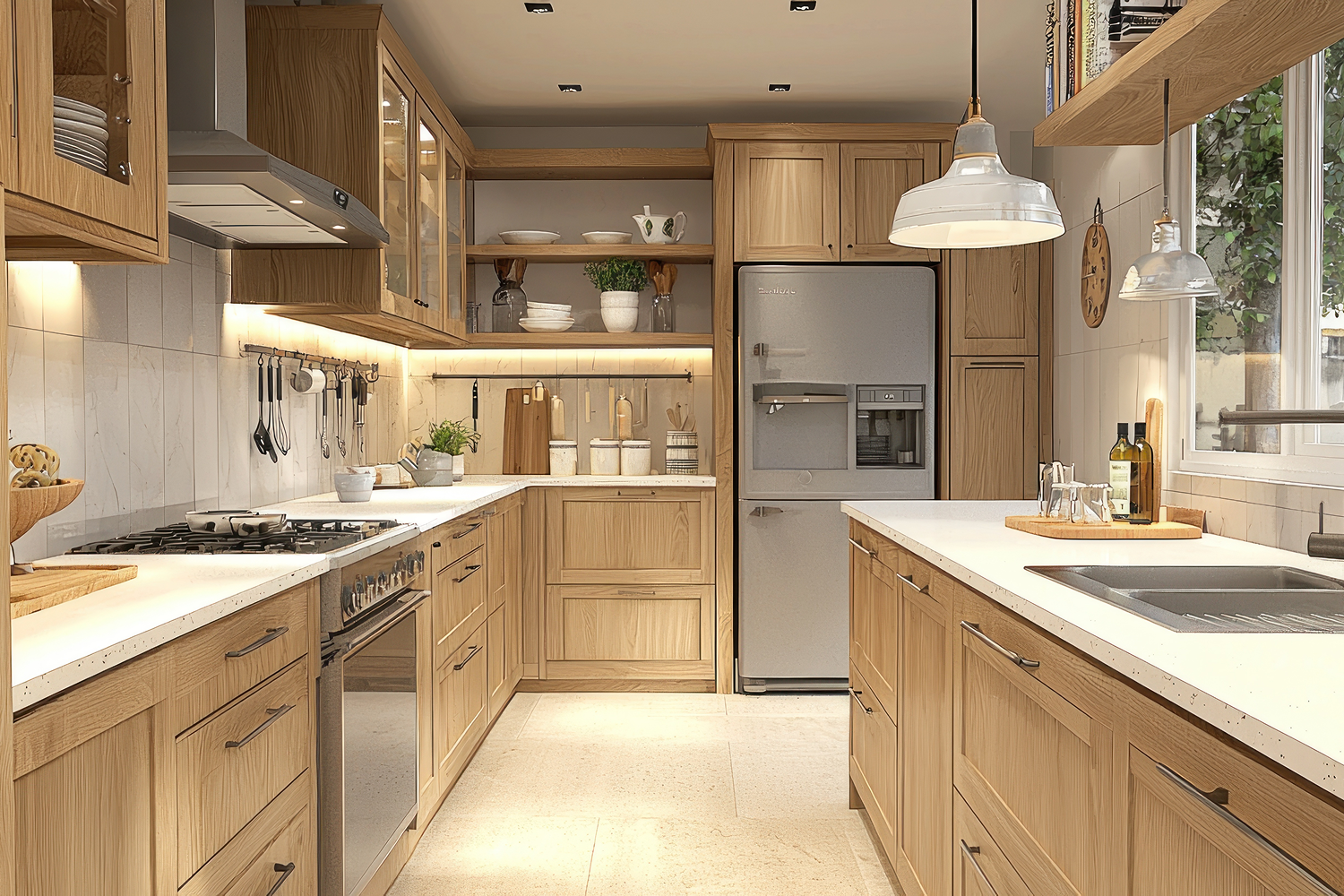
Keeps Cabinets Properly Aligned
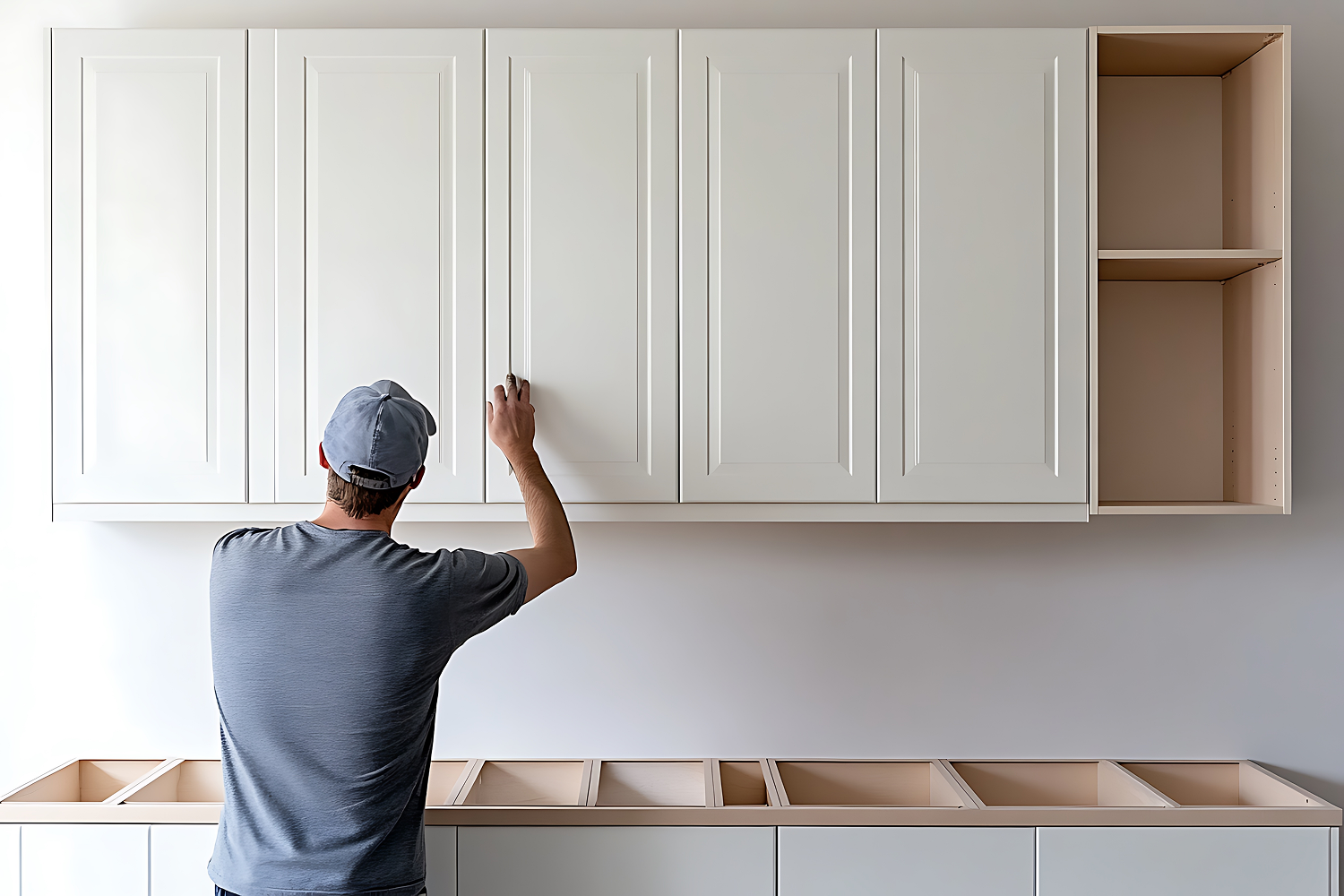
Improves Stability and Support
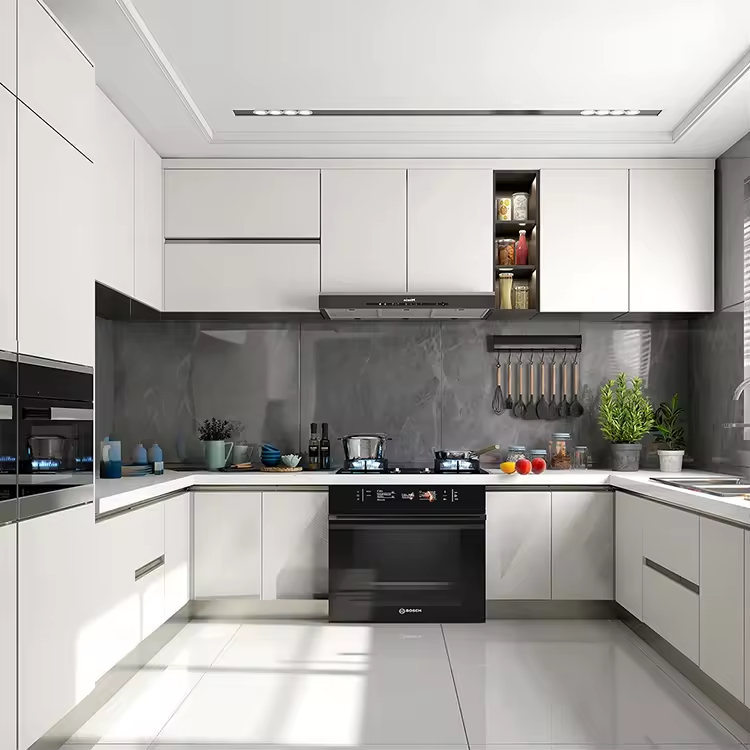
Prevents Installation Problems
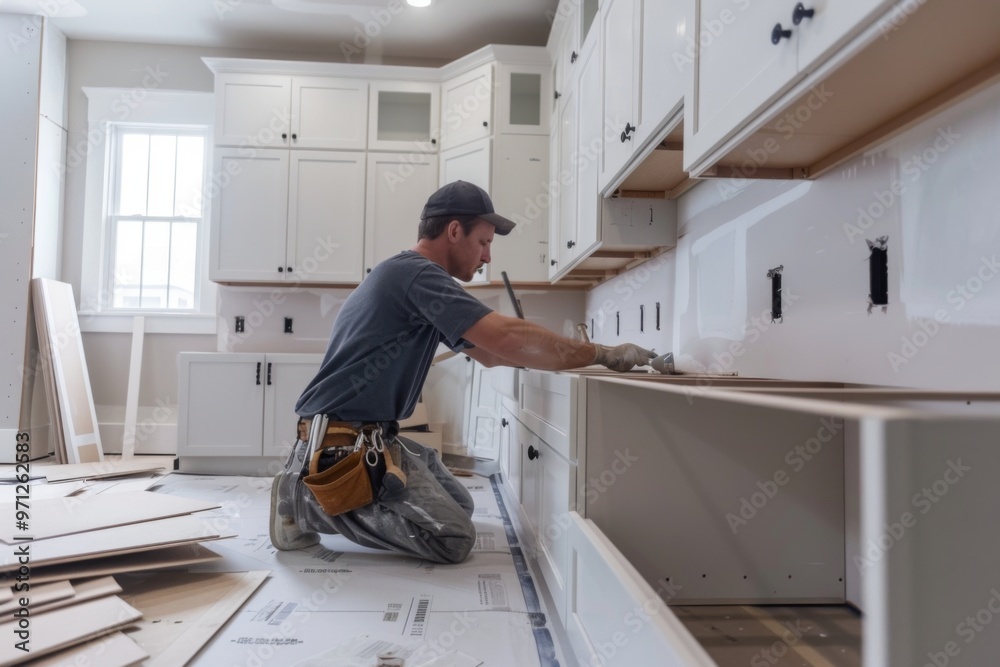
Helps Protect Cabinet Durability
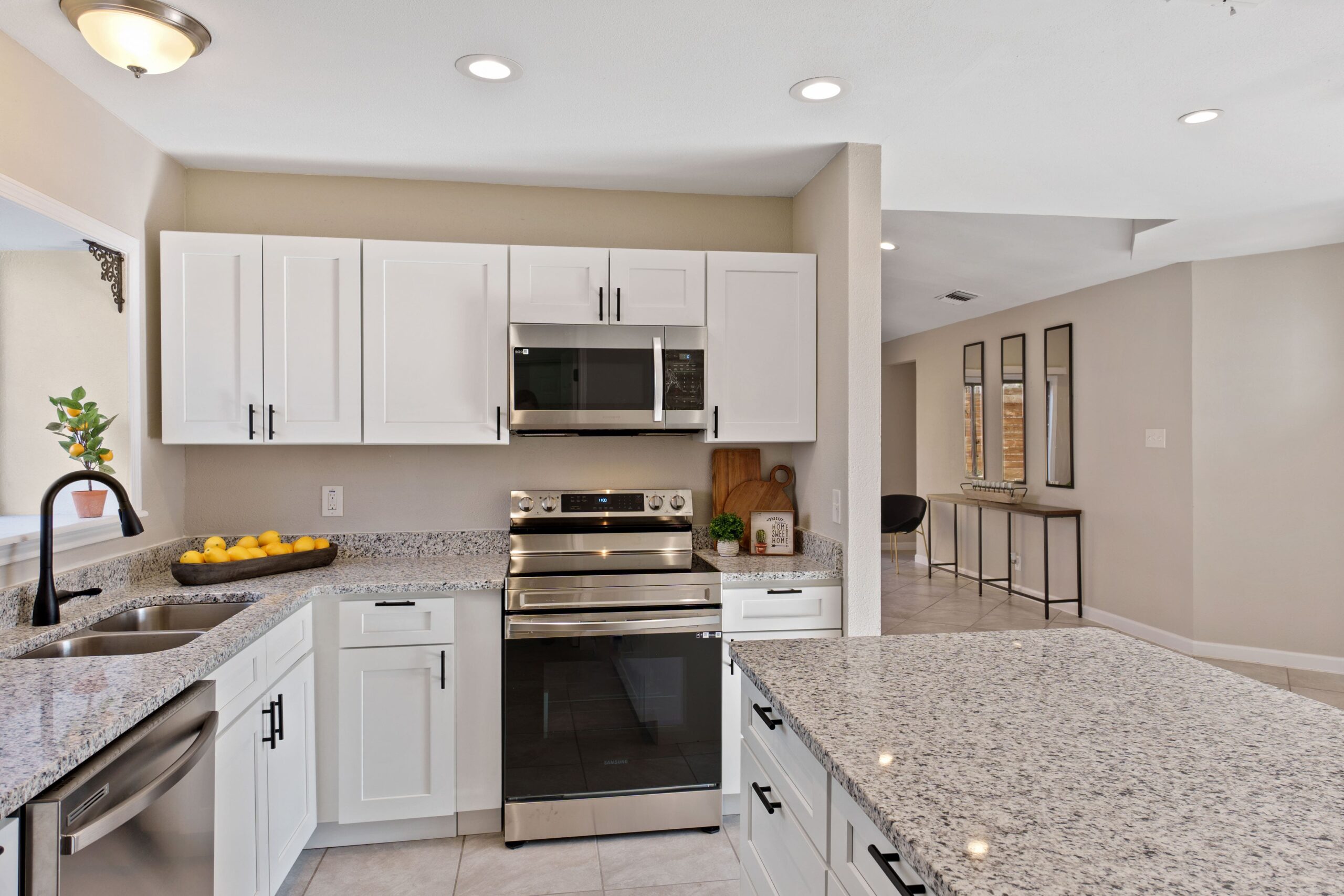
Keeps Cabinets Working Properly
What Happens During the Cabinet Installation Process?
A professional installation does not start with drilling holes into the wall. There is planning, preparation, installation, adjustment, and inspection involved. Each stage matters because a mistake early in the process can affect everything that comes after it. Here is what you can expect during the cabinet installation process.
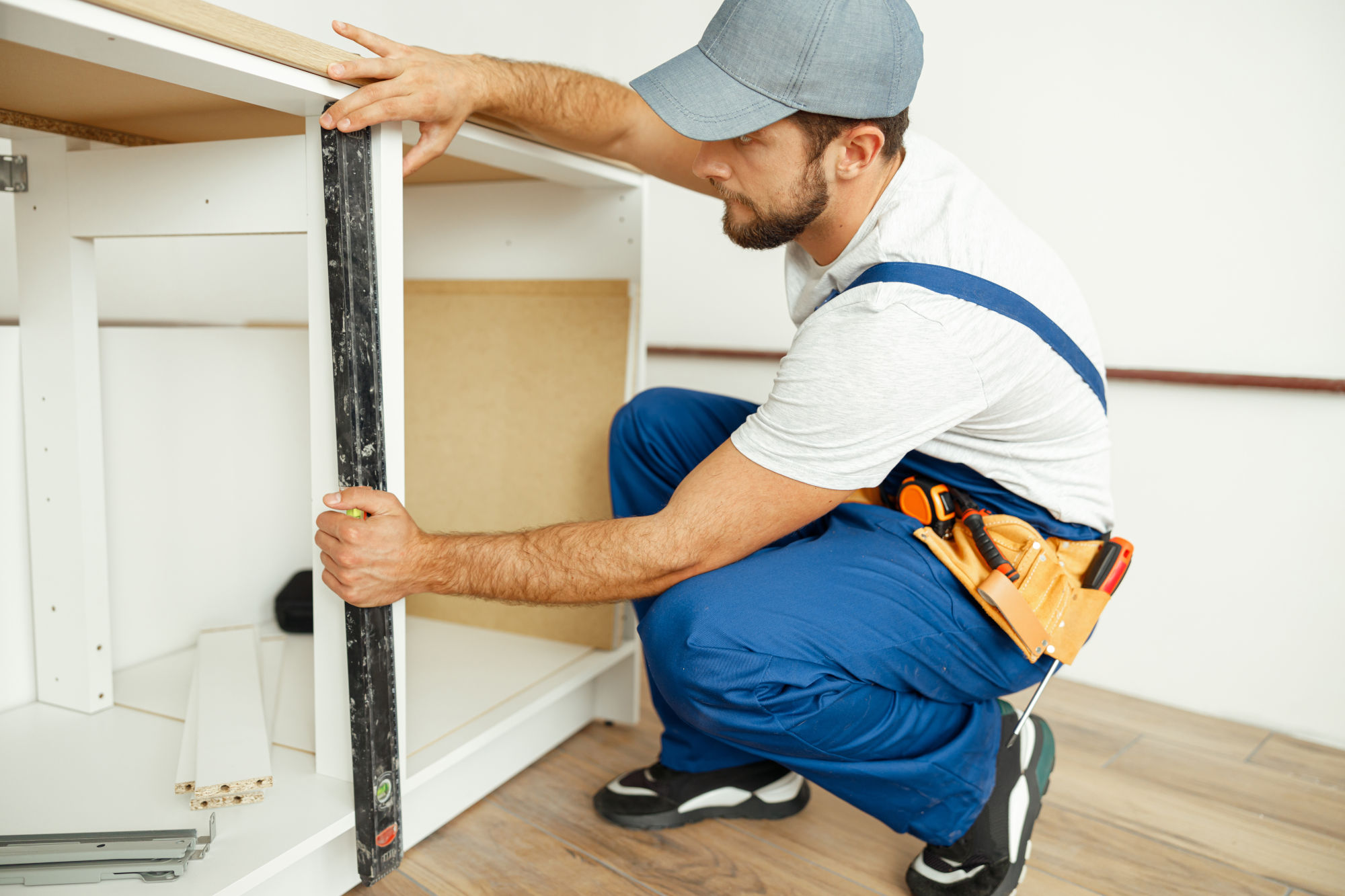
1. Reviewing Measurements and the Cabinet Layout
Before installation begins, the team reviews the cabinet plans, measurements, and layout. This helps confirm that the different cabinet types will fit properly around walls, appliances, countertops, and other features.
The team also considers the selected cabinet lines and how they will work within the space. For a kitchen, this planning is especially important because cabinet placement affects how efficiently you can move through and use the room.
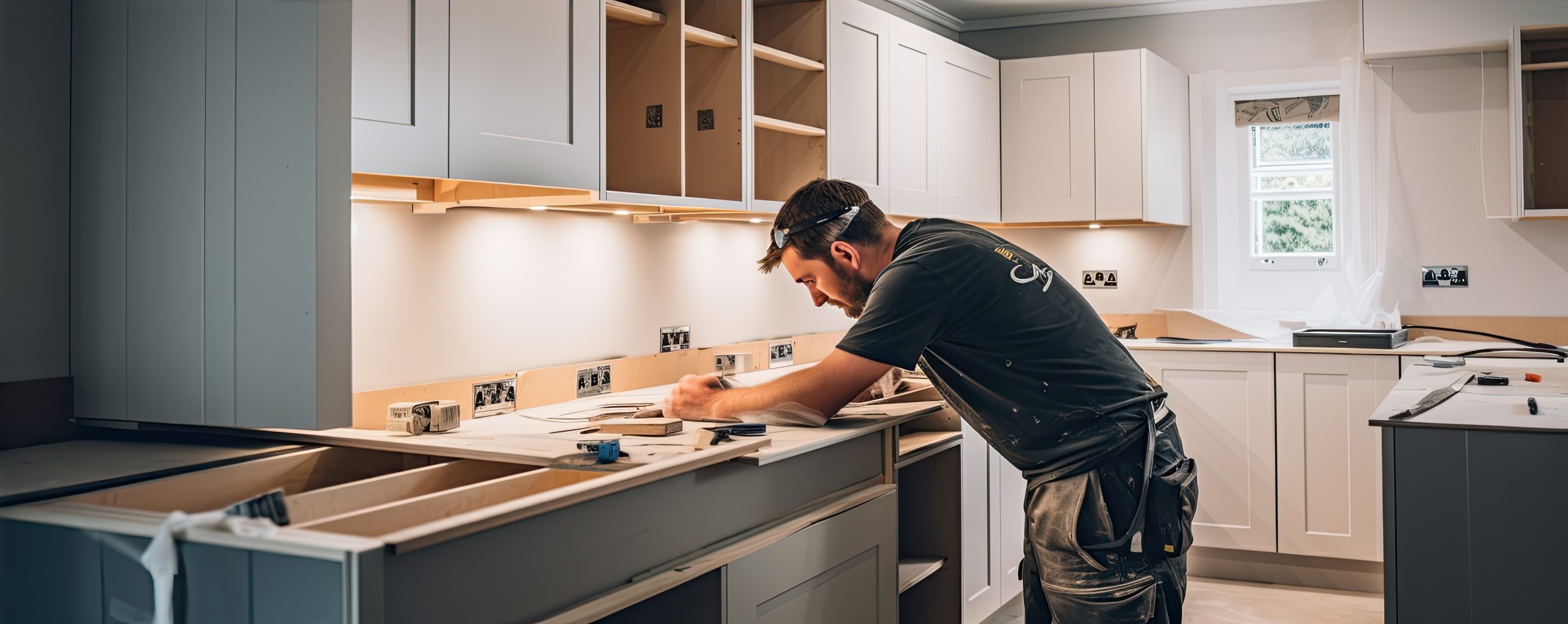
2. Preparing the Installation Area
Next, installers look at conditions that could affect cabinet placement. Walls may be uneven. Floors may slope. Existing structures may create obstacles. These issues need to be identified before cabinets are secured in place.
Sometimes the installation requires cabinet modifications to accommodate existing conditions. Addressing these issues during preparation creates a more stable foundation and helps prevent avoidable problems later.
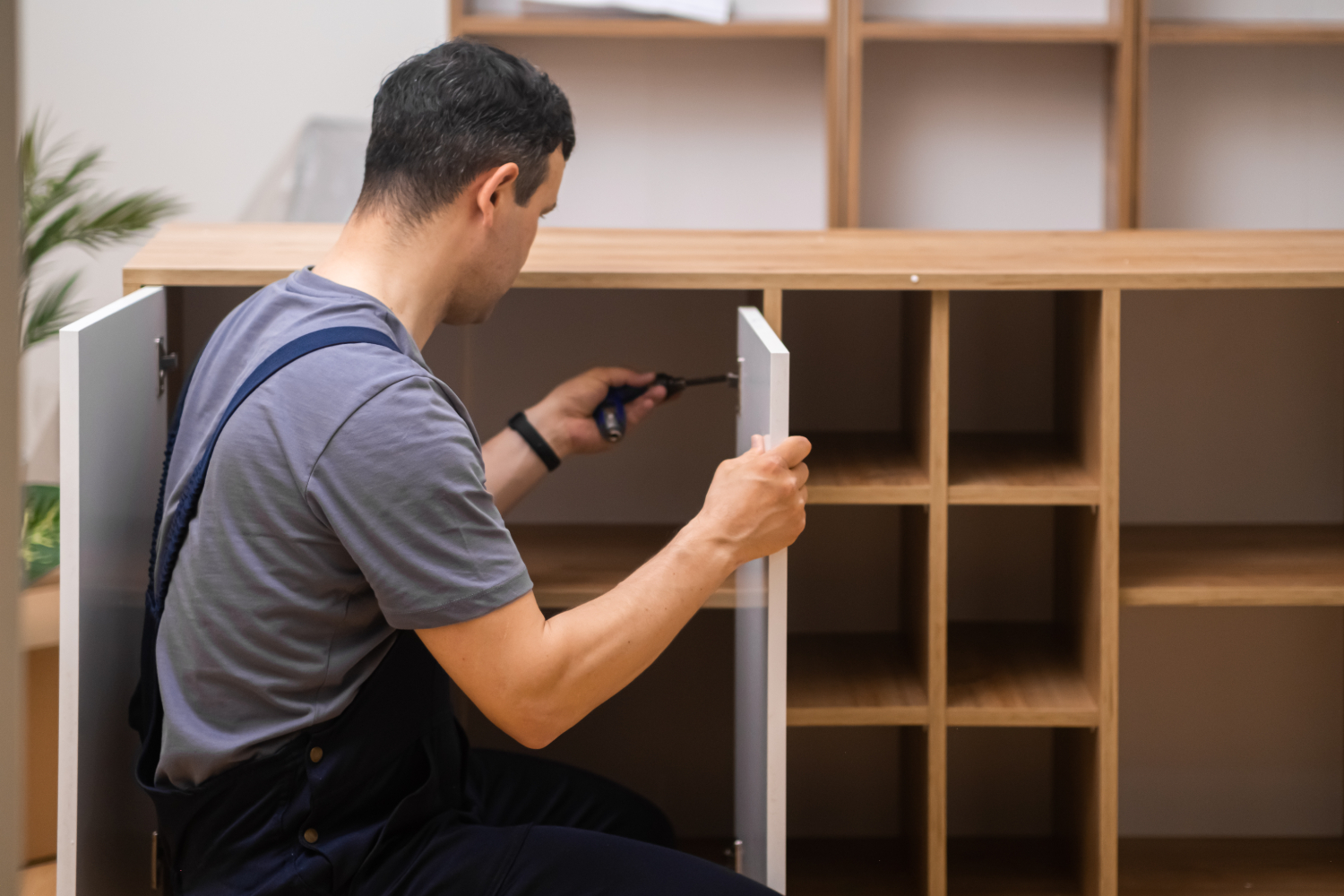
3. Installing and Securing the Cabinets
Once the area is ready, installers begin positioning and securing the cabinets according to the planned layout. This is where precision really matters. Each cabinet needs to be mounted correctly and supported appropriately while maintaining the spacing and appearance of the overall design.
For custom cabinet installation, the process may require careful fitting because the cabinetry is built specifically for the dimensions and features of your space.
4. Adjusting Alignment and Leveling
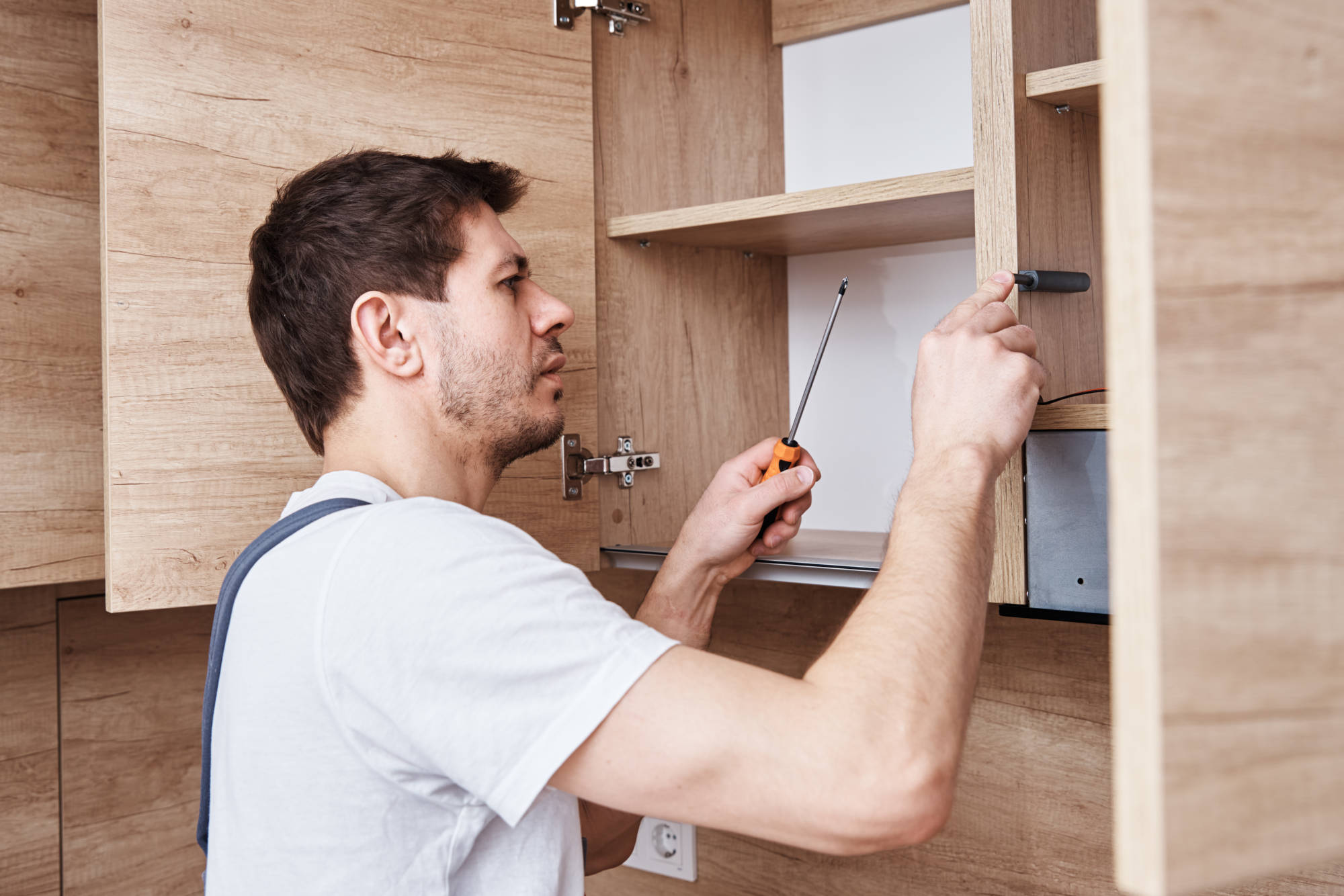
Installation does not end once every cabinet is attached. Professionals check the cabinets for proper alignment and leveling, then make adjustments where needed. They look at the spacing between units and account for variations in walls and floors.
Laser leveling systems can help installers maintain accurate positioning across larger layouts. Careful cabinet fitting also helps create the clean, consistent appearance you expect from a finished installation.
5. Completing the Final Inspection
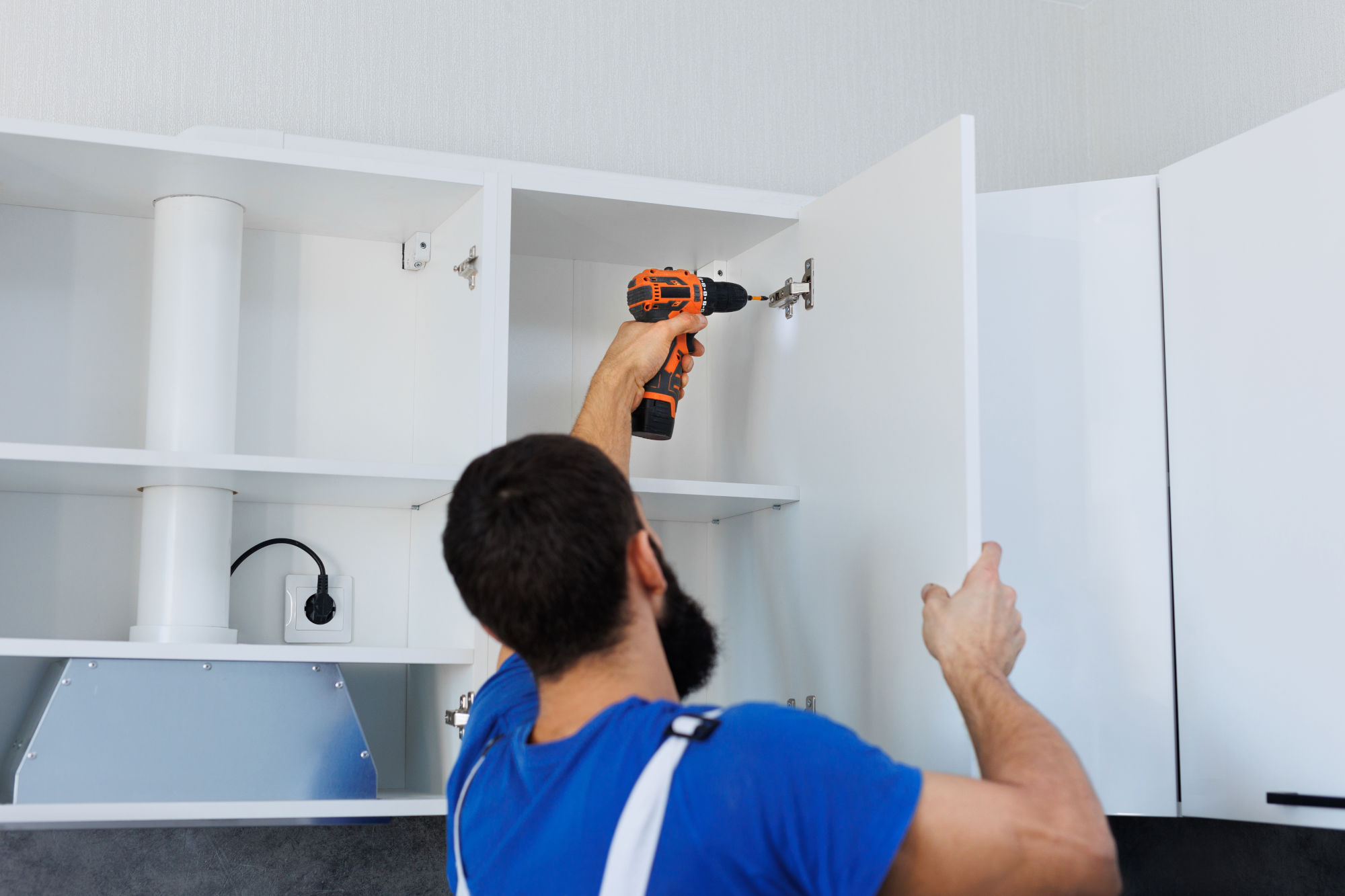
The final stage is about making sure everything works as it should. Installers review the cabinet fit, stability, doors, drawers, and hardware.
Final walkthroughs give the homeowner an opportunity to review the finished work and identify any remaining adjustments before the project is completed. The result is cabinetry that is secure, functional, and ready for everyday use.
What Are the Risks of DIY Cabinet Installation?
DIY cabinet installation can look straightforward until the walls are uneven, the measurements do not line up, or the cabinets need to fit around something that was not obvious at first.
That is when a project that seemed manageable can become much more complicated. DIY work also puts every measurement, adjustment, mounting decision, and correction on you. With custom cabinetry, there is even less room for error.
You May Not Have the Installation Experience
Custom Cabinetry Requires Careful Fitting
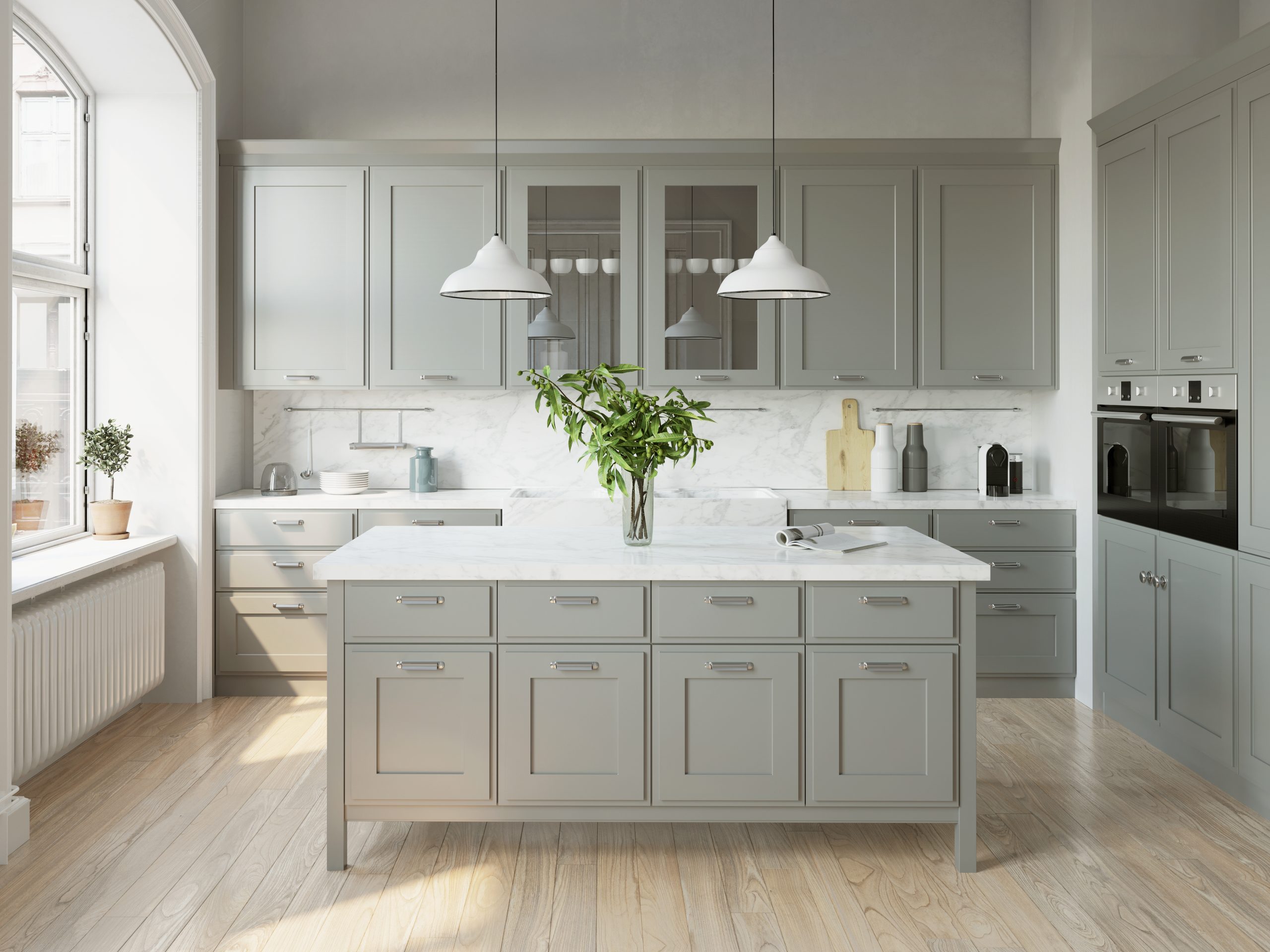
Custom-built cabinets are made for a specific space. That is one of their biggest advantages, but it also means installation needs to account for the exact dimensions of the room.
Corners, appliances, walls, and crown moldings can all affect the installation. A small measurement or placement error can make it difficult to achieve the intended fit.
Unexpected Problems Can Slow You Down
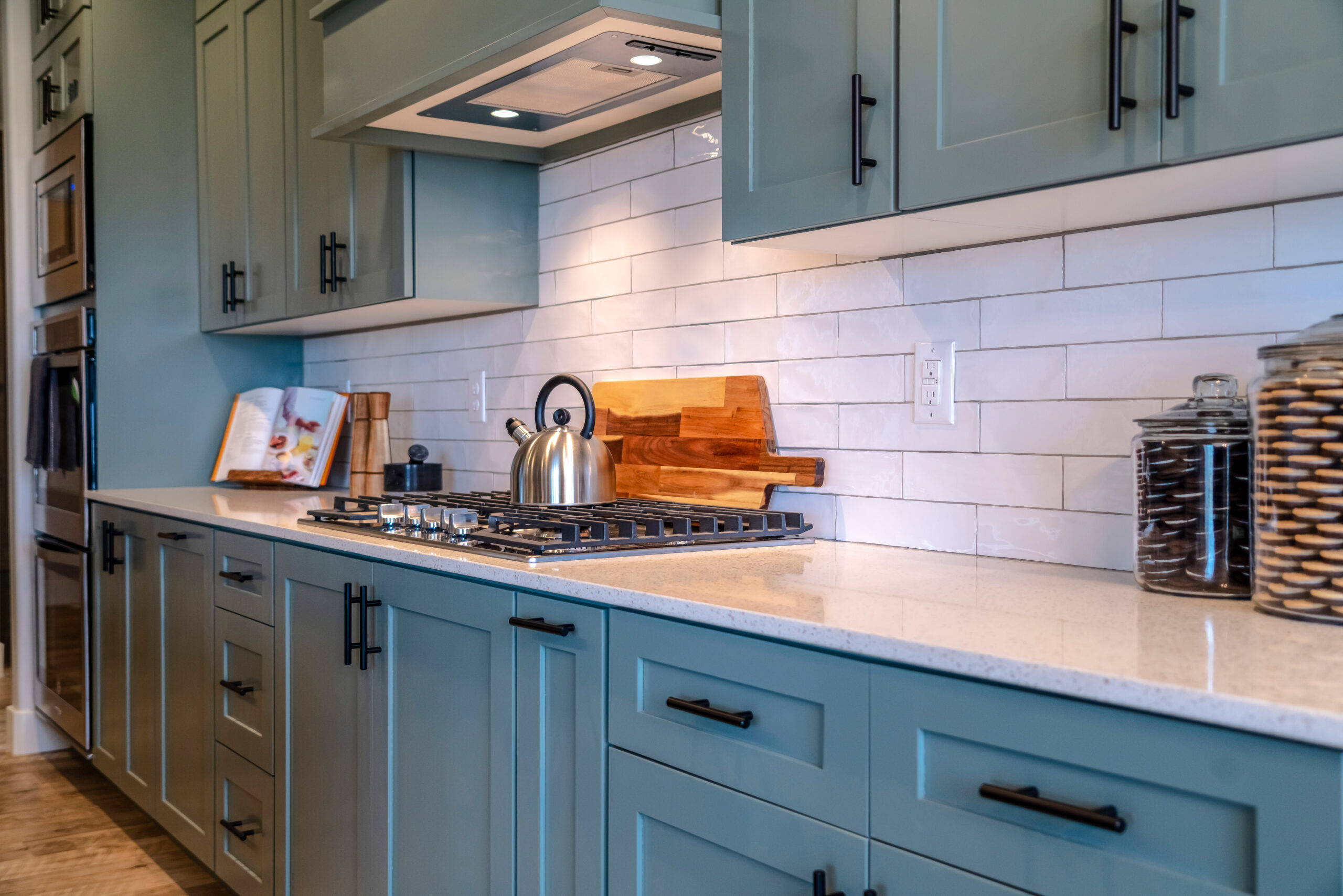
Remodeling rarely happens in a perfectly predictable environment. You may discover an uneven wall, an unexpected obstruction, or an existing condition that requires the installation plan to change.
Professional installers have experience working through these situations and determining how the cabinets should be adjusted. That experience is particularly valuable when cabinet assembly or installation must happen around existing structures.
DIY Installation May Affect Warranty Coverage
Some cabinet manufacturers have specific installation requirements tied to their warranty coverage. Installing the cabinetry yourself could affect that coverage if the work does not meet those requirements.
Professional installation can help ensure the cabinetry is installed according to the manufacturer’s specifications and can also reduce the risk of cabinet installation mistakes.
What Types of Cabinet Installation Can You Get?
Different spaces require different approaches. The installation method depends on the cabinetry, room layout, and intended use. For example, wall cabinets require secure support because they are mounted above the floor. A wall-mounted cabinet installation needs careful attention to the wall structure and mounting points.
Base cabinets require accurate positioning because they often work directly with countertops, flooring, appliances, and plumbing. For homeowners updating kitchens, kitchen cabinet installation brings the cabinetry together as part of the overall remodeling plan. Bathroom projects may require bathroom cabinet installation to account for plumbing, vanities, and tighter spaces.
Custom projects can also include built-in cabinet installation, while businesses may need commercial cabinet installation for offices, retail spaces, clinics, or other facilities. The right approach depends on the project, which is why experienced installers review the space before work begins.
How Much Does Cabinet Installation Cost?
There is no single price for every project. Cabinet installation cost depends on factors such as the size of the space, cabinetry type, layout, installation complexity, and any modifications required.
A straightforward installation may involve fewer adjustments, while a larger custom project may require more detailed fitting and preparation.
The best way to understand your project cost is to have the space and cabinetry reviewed by an experienced cabinet installation contractor before work begins.
Get Professional Cabinet Installation for Lasting Results
Choosing your cabinets is only part of the project.
The installation determines how those cabinets come together in the finished space. Poor alignment, weak support, uneven surfaces, or improperly adjusted hardware can take away from an otherwise great cabinetry investment.
At Custom Cabinets Jacksonville, our cabinet installation services cover the work from preparation through final inspection. We provide residential cabinet installation as well as commercial cabinet projects, including custom cabinetry and built-in solutions.
You should not have to spend your time correcting cabinet doors, adjusting drawers, or wondering why something does not sit level after the project is finished.
Let our cabinet installation experts handle the work so your cabinetry is ready to look good, function properly, and stand up to everyday use.